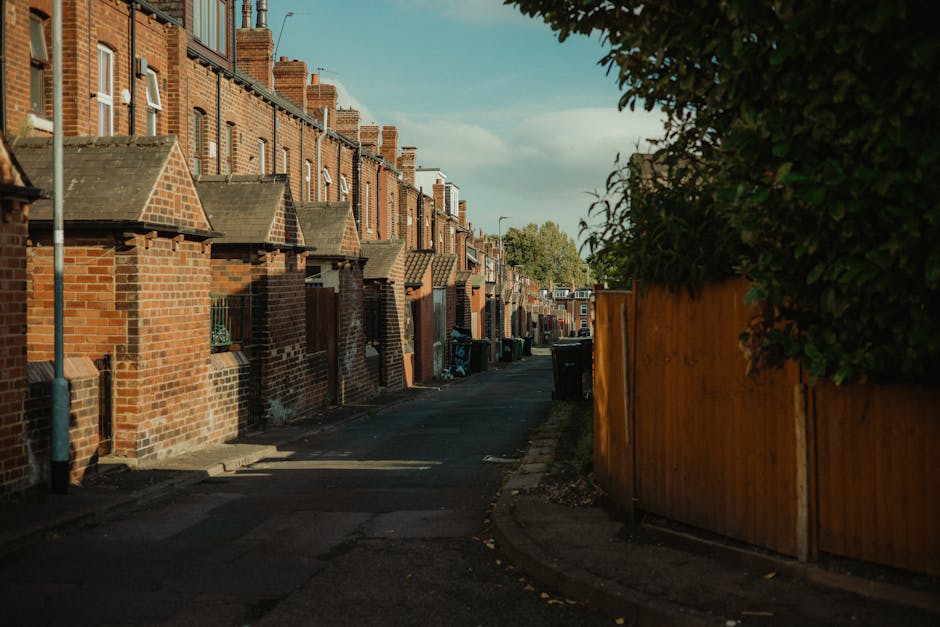
Man with a van in Enfield

Man With A Van Enfield provides a practical moving service for customers who need a smaller, more flexible way to transport furniture, boxes and other household or business items. The work is centred on careful loading, secure transport and sensible planning, so the service suits single items, part-loads and straightforward local moves. If you need a simple way to move goods in and around Enfield, the focus is on keeping the job organised and manageable from the first enquiry through to delivery.
Our van-based removals service is designed around the size of the load rather than the formality of a large-scale removal operation. That means we can support home moves, furniture pick-up and office relocation tasks where a full lorry is unnecessary. The service is intended for customers who want one clear point of contact, a transport solution that fits the job and a quotation based on the actual work involved. You can request a quotation once you have the key details ready.
For many customers, the main benefit of this kind of service is simplicity. A smaller vehicle can often be easier to schedule, easier to access and better suited to items that need direct collection and delivery without excess handling. The work can include lifting, loading, transit and unloading, but each job is planned according to the items involved and the access at both ends. If you already know what needs moving, a straightforward enquiry is the best place to start.
Home moves and household transport
A home move with a man and van service is often most useful when the move does not call for a full-house operation but still needs more care than a simple car journey. Typical jobs can include beds, wardrobes, desks, small appliances, boxed contents and mixed household items. The service is built to move items safely and sensibly, with attention to access, lifting points and how the load is arranged in the vehicle.
Within household removals, different loads can call for different approaches. Some customers need a home moves service for a flat, studio or smaller property; others are simply moving a few bulky items between addresses. Where the load includes fragile or awkward furniture, the aim is to protect the item and keep it stable in transit. That can mean disassembly, wrapping or careful stacking where appropriate, depending on what is being moved.
When planning a household job, it helps to distinguish between the items that are essential on the day and the items that can travel separately. We can then assess the work more accurately and set a quotation that reflects the time, volume and handling involved. If the move is time-sensitive or access is limited, a smaller vehicle and a direct route can sometimes be the most practical option. For a clear next step, send over the details and ask for a quotation.
Furniture pick-up and item collection

Furniture pick-up is a common use for a van-based removals service because it lets customers move one or more items without arranging a larger removal team. The work may involve collecting a sofa, bed frame, table, cabinet or other bulky purchase and delivering it to a home, office or storage location. The emphasis is on handling the item correctly, keeping it protected and making sure it arrives in the condition it left.
Some collections are simple point-to-point transfers, while others involve more care because of item size, weight or awkward access. A service such as furniture pick-up is useful when the item is already selected and the main requirement is transport rather than retail delivery. If there are stairs, narrow halls or limited parking, those details matter because they affect the time and handling needed. Clear information at the outset leads to a more accurate quotation.
For collection work, preparation can be kept sensible rather than complicated. It is usually enough to note the item dimensions, whether it can be dismantled and whether anyone will need to help at either end. If the furniture is second-hand, newly bought or being moved between rooms, the same principle applies: the service is there to manage the transport carefully and efficiently. Let us know what needs collecting, and we can work out the best way to move it.
Office removals and small commercial moves
Not every business move requires a large removal lorry or a lengthy transfer plan. A smaller van-based service can suit offices, studios, workspaces and retail back rooms where the load is limited but still important. The tasks may include desks, chairs, filing cabinets, display units, packed equipment and boxed paperwork, all handled with an eye on order and continuity rather than disruption.
For business customers, office removals often work best when the items are grouped before loading and the destination is ready to receive them. That might mean moving a few desks to a new site, clearing a compact office or transporting furniture during a phased relocation. The scale may be smaller than a full commercial move, but the handling still needs to be deliberate, especially where equipment or records are involved.
Commercial moves are easier to plan when the load list is clear and the timings are realistic. A concise inventory, notes on access and any limits on parking or lift use help shape the job properly. If the move is part of a wider handover or reconfiguration, the service can be arranged around what needs to move first. For a practical moving plan, ask for a quotation once the destination and item list are ready.
What the service can include

The service is broad enough to cover a range of transport tasks without turning every job into a full removal package. Depending on the item and the access, the work can include loading, securing the load, transit and unloading, with optional support for straightforward repositioning or collection. The key is matching the vehicle and handling to the actual work needed, rather than using a one-size-fits-all approach.
Useful service pages can help you choose the right type of job. A man with van option is often the broadest fit for smaller moves, while a moving van approach may be more appropriate where the emphasis is on transport capacity and straightforward logistics. If the job is mainly about lifting and moving household contents with a smaller load, the general removal services page may also be relevant.
To keep the job efficient, it is best to think in terms of what is moving, how far it needs to travel and what the access looks like at each property. That gives a clearer picture of the time and handling required. Where items are awkward or delicate, it may help to separate them from the rest of the load so the move can be planned properly. Once you have that information, you can request a quotation with confidence.
Planning, access and quotation details
Good planning makes a noticeable difference to van-based removals because the cost and timing often depend on how the work is carried out. Useful details include the number of items, whether anything is especially heavy, the pickup and delivery postcodes, and any access issues such as stairs or a tight driveway. These points do not have to be overcomplicated; they simply help define the job so that the quotation is based on the right scope.
If you are preparing an enquiry, it usually helps to have one clear list of items and a brief note on whether they are boxed, dismantled or still assembled. Photographs can be useful where furniture is unusual or bulky, but the main aim is to describe the transport task accurately. That applies whether you are moving a single large item or a mixture of household pieces. A concise enquiry keeps the process straightforward and reduces the chance of misunderstanding.
Where timing matters, it is worth stating that in the enquiry as well. We can then judge how the move fits the day’s schedule and whether the work is best arranged as a direct trip or part of a broader moving run. If you are ready, send the details through and request a quotation. A clear outline now helps the job run more smoothly later.
About Enfield
Enfield is a large North London area with a long history that reaches back well before modern suburban growth. The borough contains a mixture of older town centres, residential streets, open land and transport corridors, which gives it a varied urban character. The River Lea and its associated watercourses shape parts of the eastern side of the area, while the New River, an early seventeenth-century engineered waterway, remains one of its more notable historic features. Enfield Town itself developed as a market settlement, and traces of that older centre can still be seen in the street pattern and surviving historic buildings. The wider district includes conservation areas, parks and green spaces that contrast with denser residential neighbourhoods. Forty Hall, a Jacobean mansion set within parkland, is one of the best-known historic sites, while Enfield Palace and the former market traditions reflect the area’s long civic and commercial life. Transport links have also played an important part in shaping the borough, especially the railway and road connections that supported suburban expansion in the nineteenth and twentieth centuries. Today, Enfield combines local shopping streets, housing estates, riverside paths, parkland and historic centres, making it a place with both everyday utility and a strong sense of layered history.
House removals with a lighter touch

Some household moves do not need a large crew or a specialist house-clearance setup; they need an adaptable vehicle and careful handling. Our service is suited to smaller-scale house removals where the customer wants the main transport work done efficiently without unnecessary complication. That might include a flat move, a partial house move or the transfer of selected rooms and furniture between addresses.
For customers comparing options, related pages such as house movers and house removalists can help clarify the sort of support required, especially where loading, carrying and vehicle use all matter. The distinction is often practical rather than formal: how much needs to move, how bulky it is and what kind of access the properties offer. A smaller, well-managed job can be every bit as organised as a larger one.
One important benefit of this kind of move is that the process can be scaled to the load. If you are relocating a few key rooms, moving furniture into storage or splitting the move into parts, the service can be planned accordingly. That flexibility makes it easier to work around narrow time windows and different property types. When the items and addresses are clear, the next step is simple: ask for a quotation.
Packing, loading and sensible preparation
Packing and loading matter because they affect both the safety of the items and the speed of the move. If belongings are boxed securely and furniture is ready to go, the loading process can be more straightforward. Where appropriate, a packing and unpacking services option can support the move, particularly for customers who want help organising items before transit or settling them at the other end.
Preparation should stay proportionate to the job. There is no need for elaborate administration, but it does help to separate fragile objects, label boxes sensibly and identify anything that needs special care. If a wardrobe needs dismantling or a desk needs protecting, that should be made clear before the job is booked. Those practical details shape the way the van is loaded and reduce the chance of damage during movement.
A useful moving enquiry is usually concise and factual: what is going, where it is going and what conditions are involved. That is enough to judge the work in a sensible way. If you want the move handled without fuss, keep the details clear and straightforward. Then you can request a quotation based on the actual job rather than a guess.
Choosing the right removal page

Some customers know immediately that they need a simple van and driver arrangement; others want to compare related services before deciding. The general removals page is a good starting point when the move is broader, while man and van removals can be a better fit for a smaller, more flexible job. Where the emphasis is on local transport and practical loading, these pages help match the service to the task.
If you are moving between properties, transporting selected items or arranging part of a household or business move, the most suitable service is usually the one that reflects the real volume and handling involved. That might also lead you to the removals near me page if you want to compare the general type of support available on the site. The important thing is to choose the option that fits the work rather than over-specifying it.
For a final step, keep the enquiry short but complete and ask for a quotation once you know the date range and item list. If the move is simple, the response can be simple too. If it is more involved, the extra detail will help shape the work properly. Either way, the clearest starting point is to send the information and make the request.
Further service details and useful support
Some jobs benefit from a wider service structure, especially where transport is only one part of the task. A move might include collection, loading, unloading and, in some cases, item rearrangement at the destination. If you are comparing support levels, the broader removal company and removal companies pages can help frame the kind of service provided for different load sizes and job types.
There can also be occasions when the move is mainly about speed and convenience rather than a full packing plan. In those cases, a straightforward moving truck or removal van style arrangement may be the most practical option, depending on the items and the route. The point is not to overstate the service, but to match the vehicle and handling to the actual work in hand.
Whatever the job, the same basic principle applies: describe the items, note the access and state the destination clearly. That gives a better basis for planning and keeps the quotation process grounded in the facts. If you are ready to move ahead, this is the right time to ask for a quotation and set the job in motion.